The volumetric displays we grew up watching in science fiction were never real. Our entire focus is on changing that: turning them into products you can actually own, built on a true understanding of what makes a volumetric display unlike any flat screen or headset. In an age of deepening immersion and isolation, ours do the opposite. Glasses-free and viewable from every angle, they draw people back together around a single image floating in real, shared space. A digital campfire to gather around.

Drives the technical direction of Voxel Photonics, exploring new content, creating new creative workflows, and integrating new media types into the volumetric platform, while leading the technical development of new hardware and software.
View LinkedIn ↗
Leads the business side of Voxel Photonics: strategic partnerships, commercial direction, and the day-to-day operations that keep the company running and growing.
View LinkedIn ↗
A world-renowned programmer and pioneer of 3D graphics who created the engine behind Duke Nukem 3D, and leads the core rendering, optics and electronics work behind our displays.
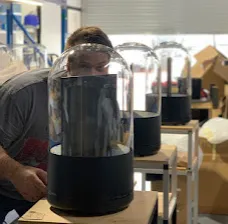
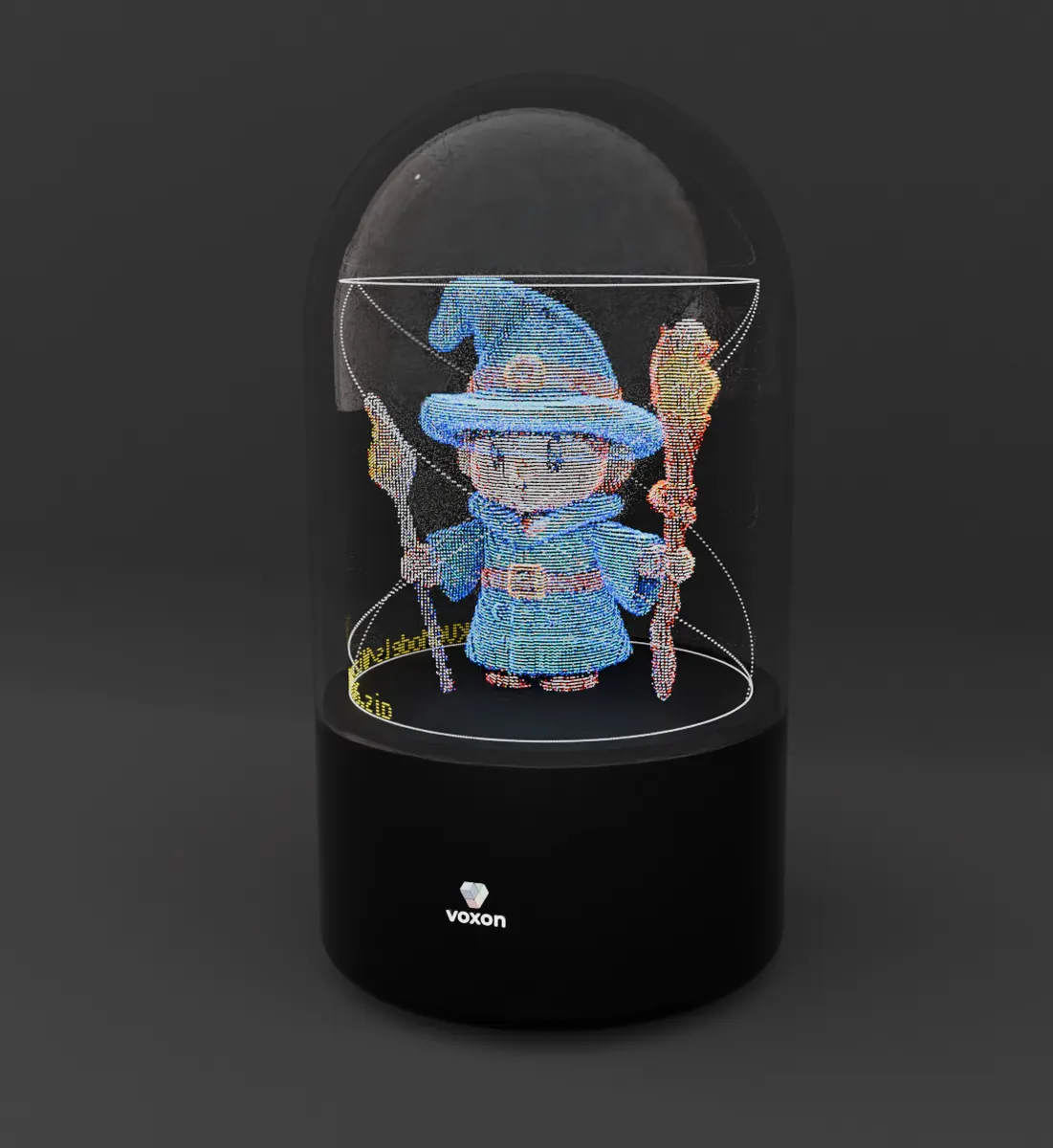
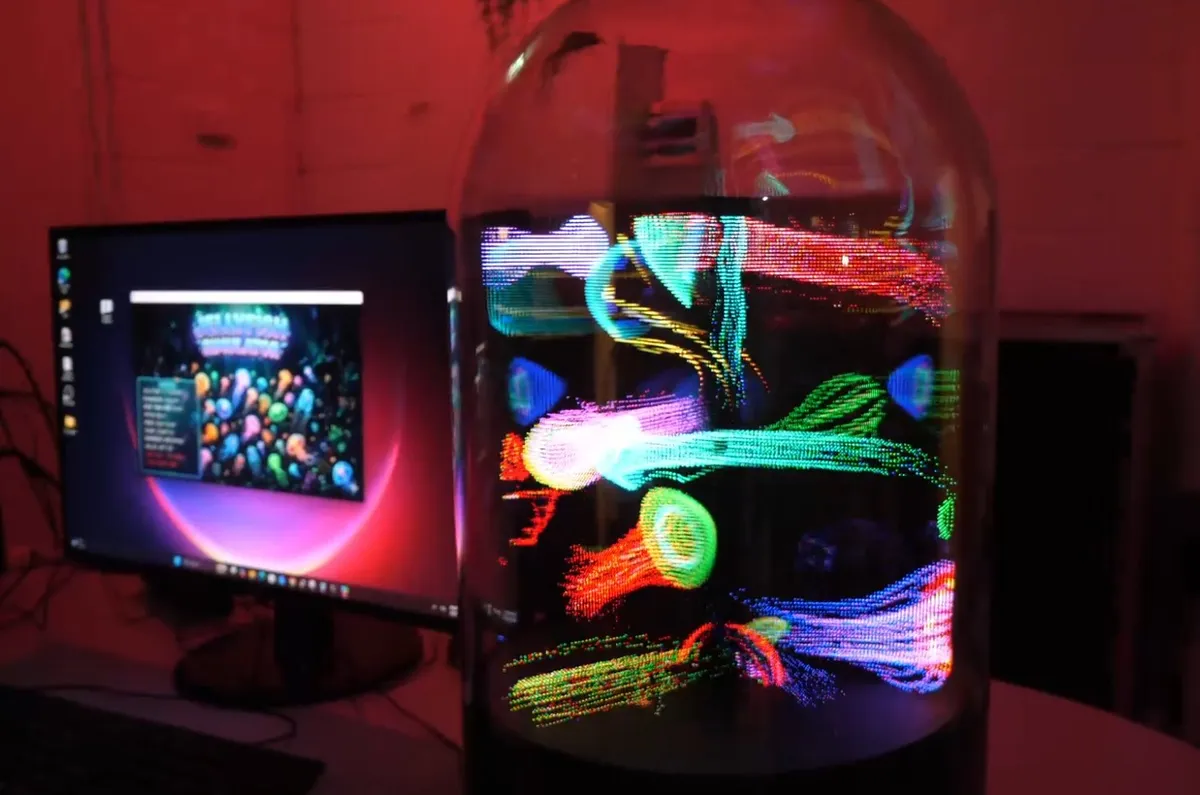
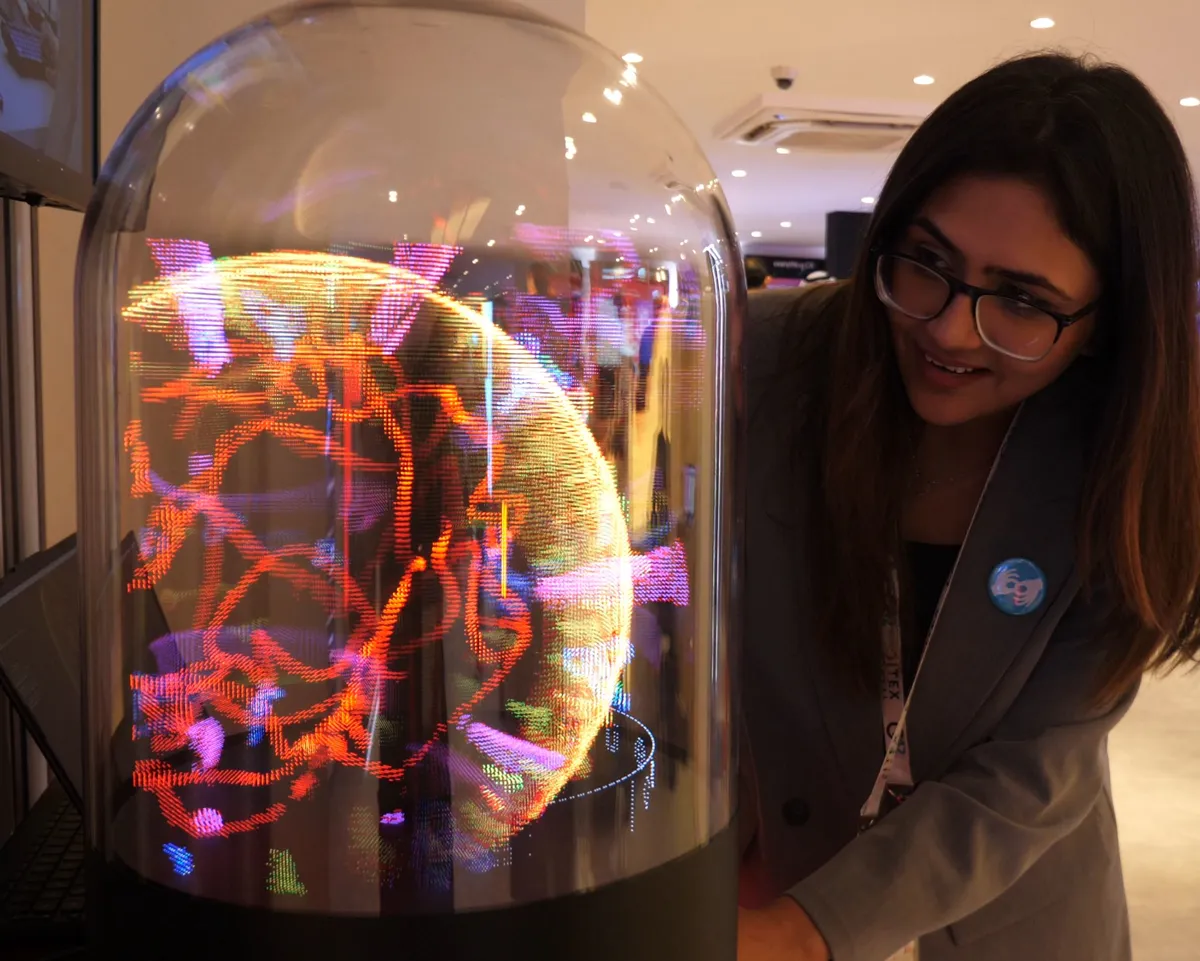
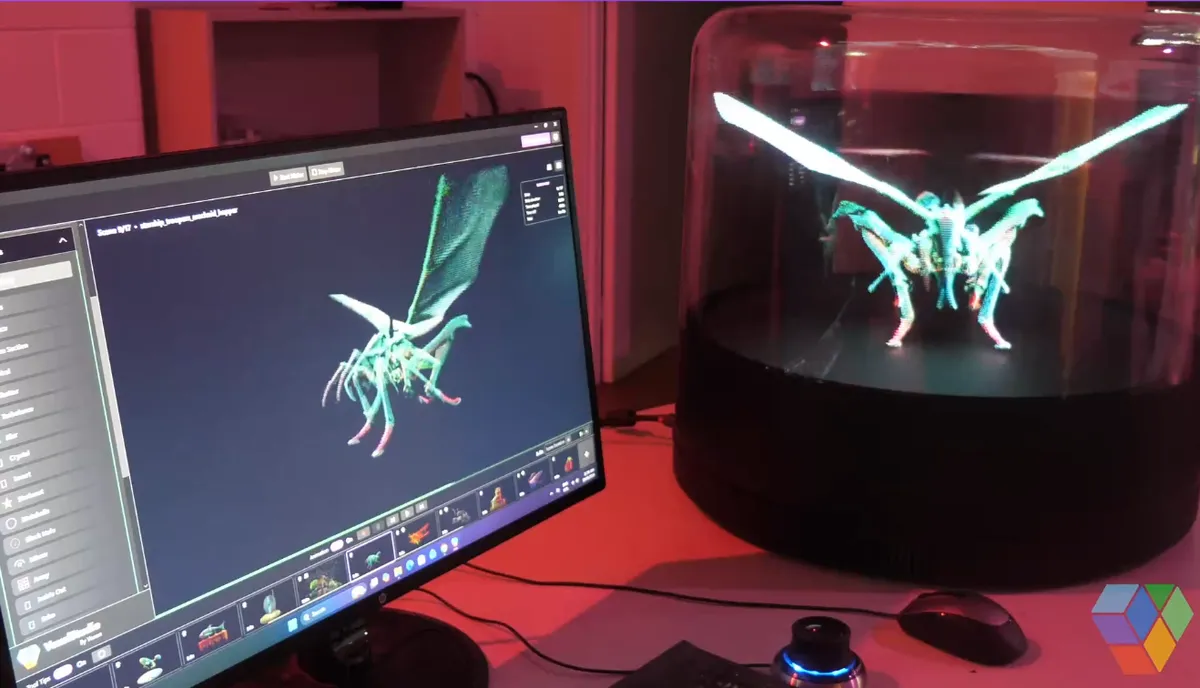
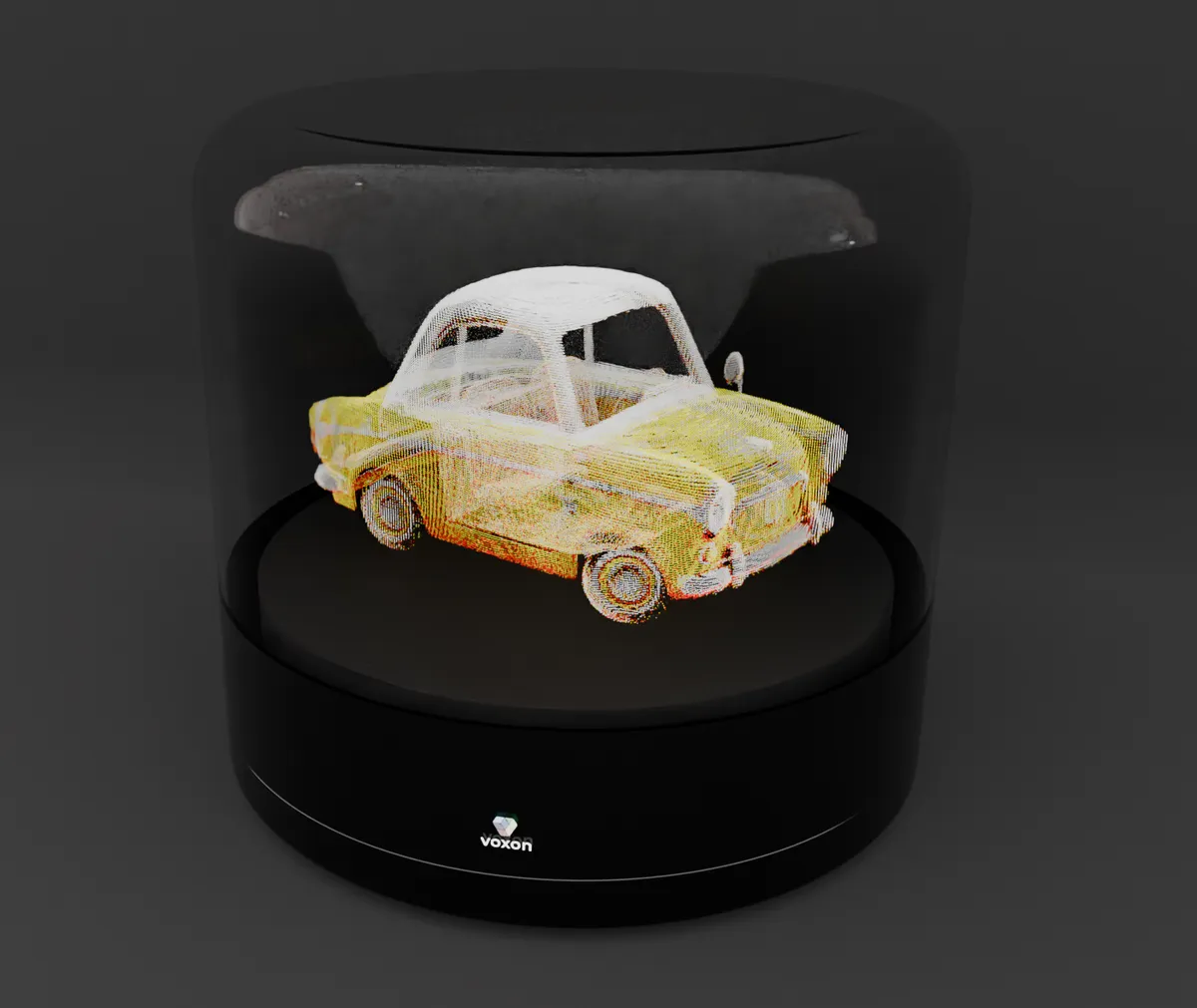
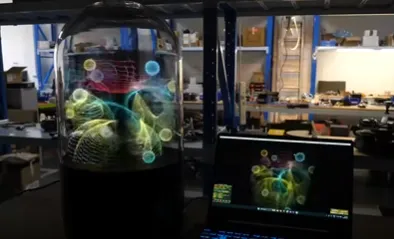
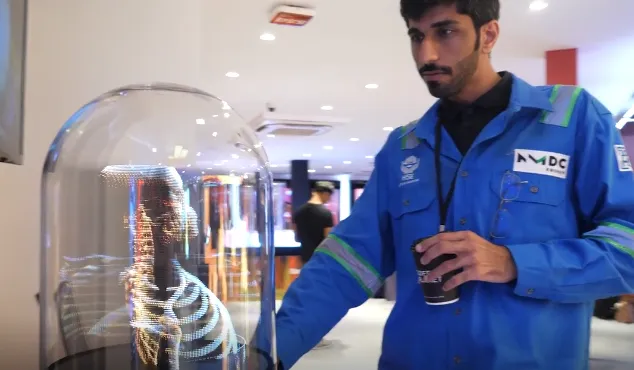
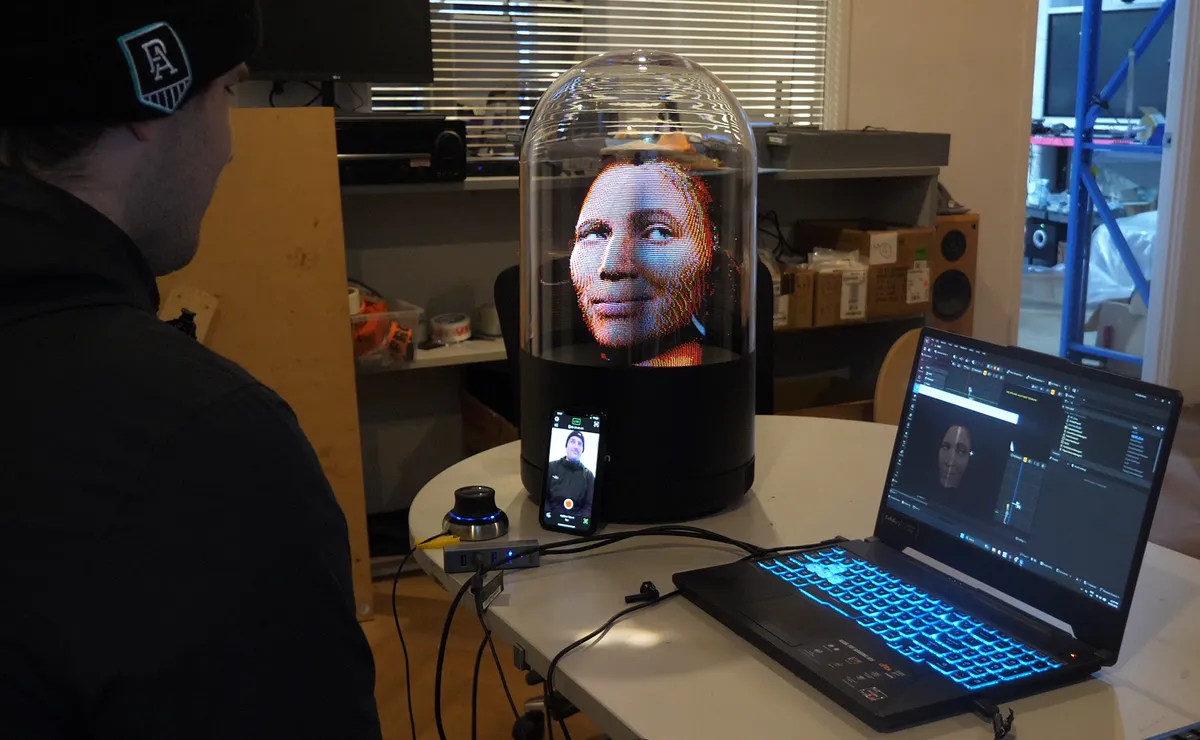
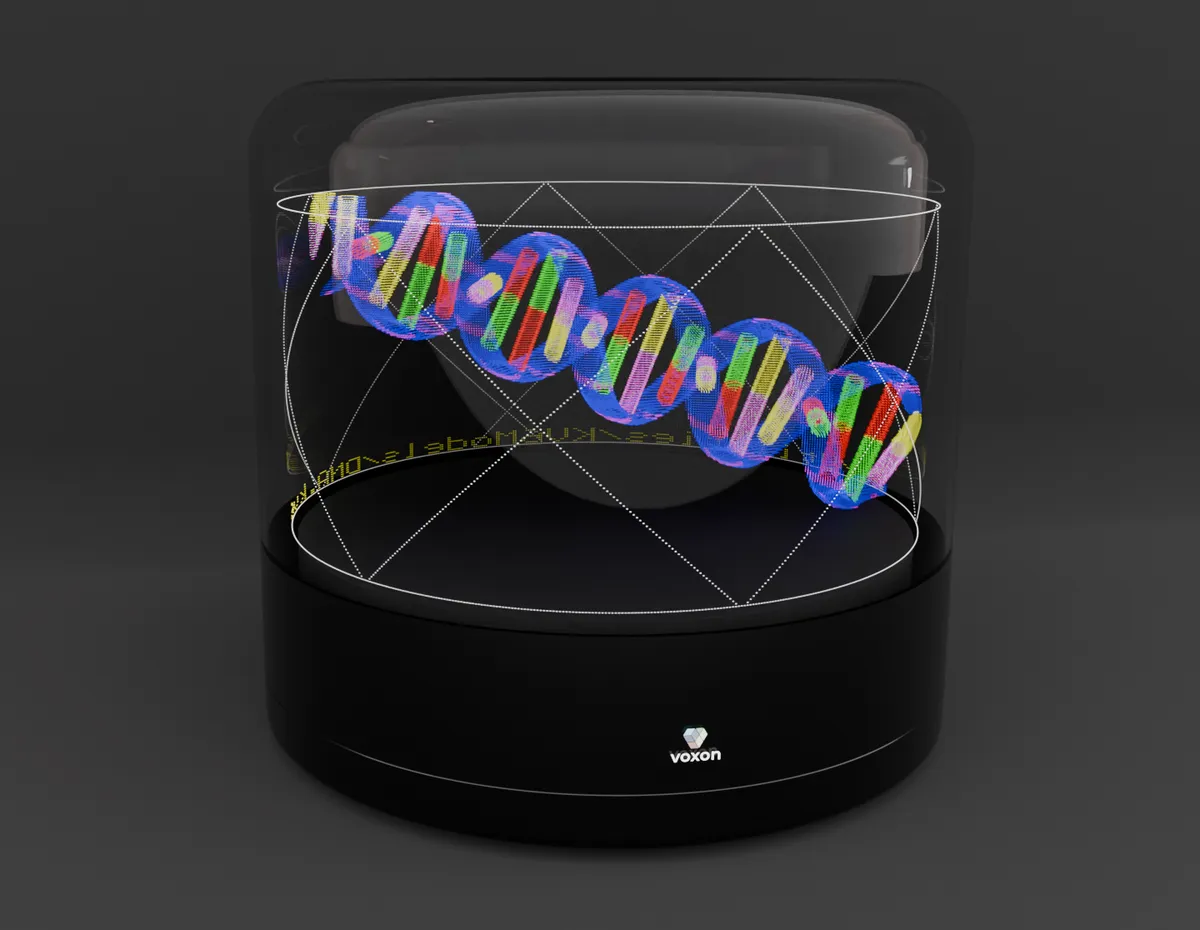
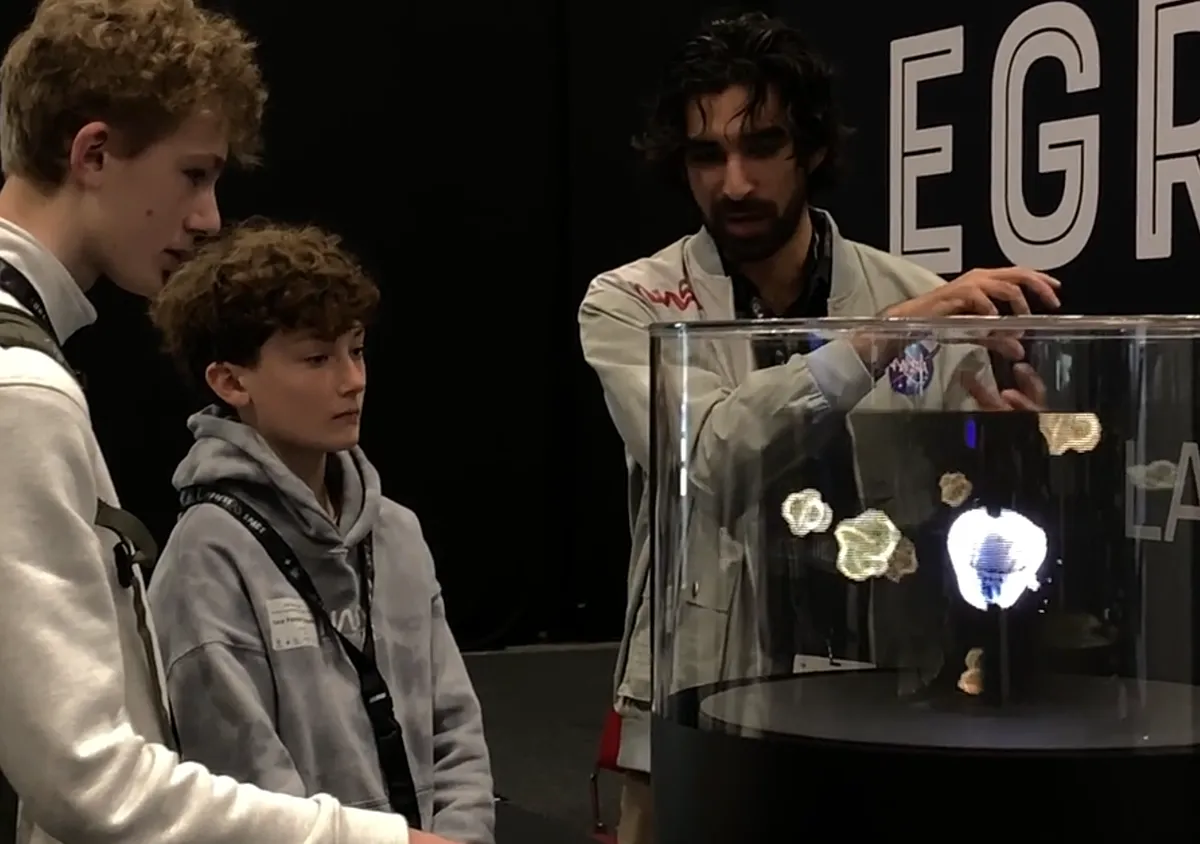
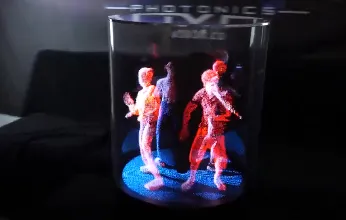

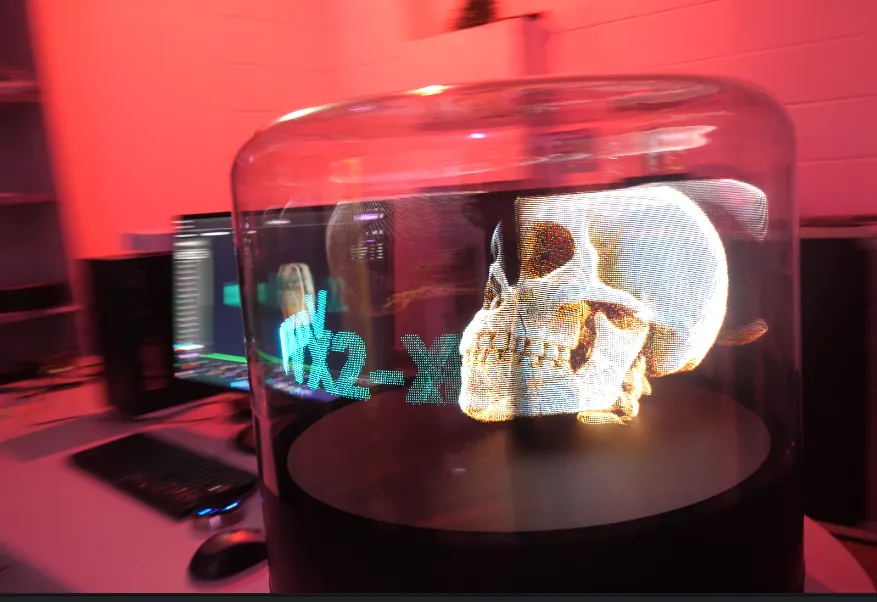
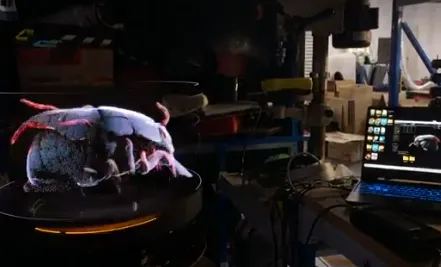
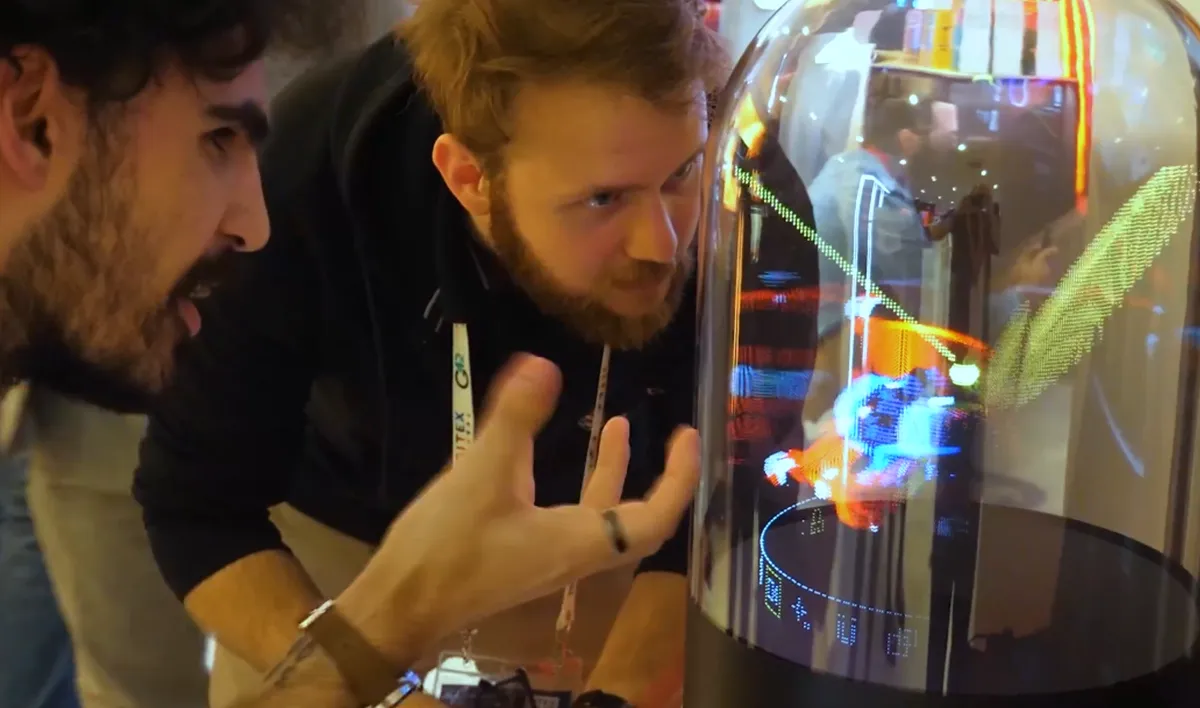
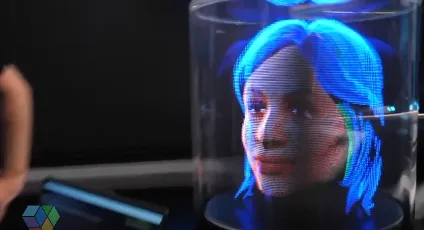
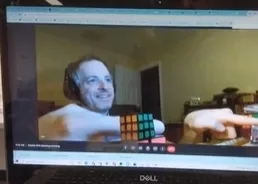
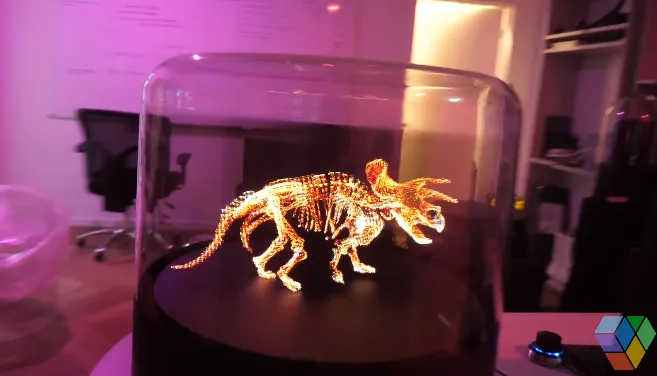
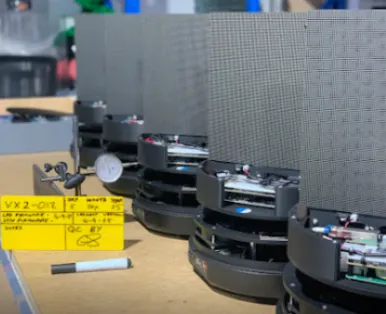

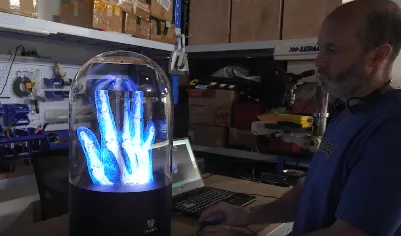
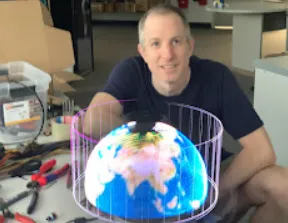
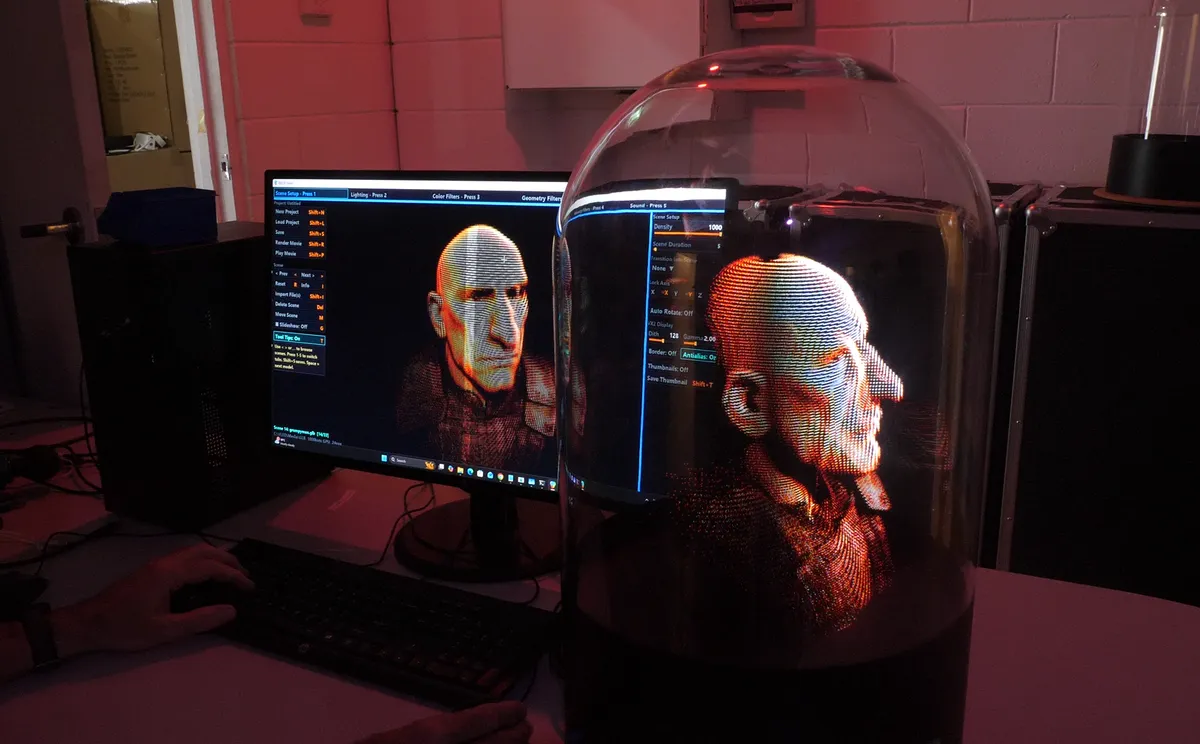
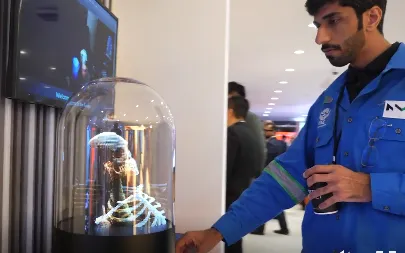
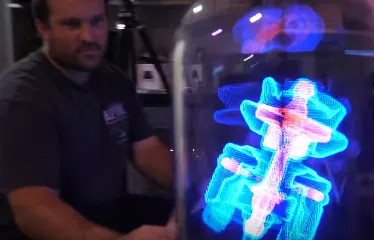
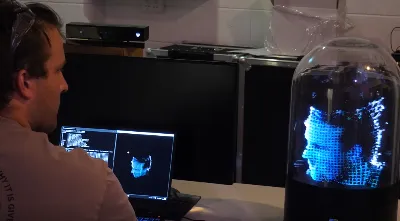
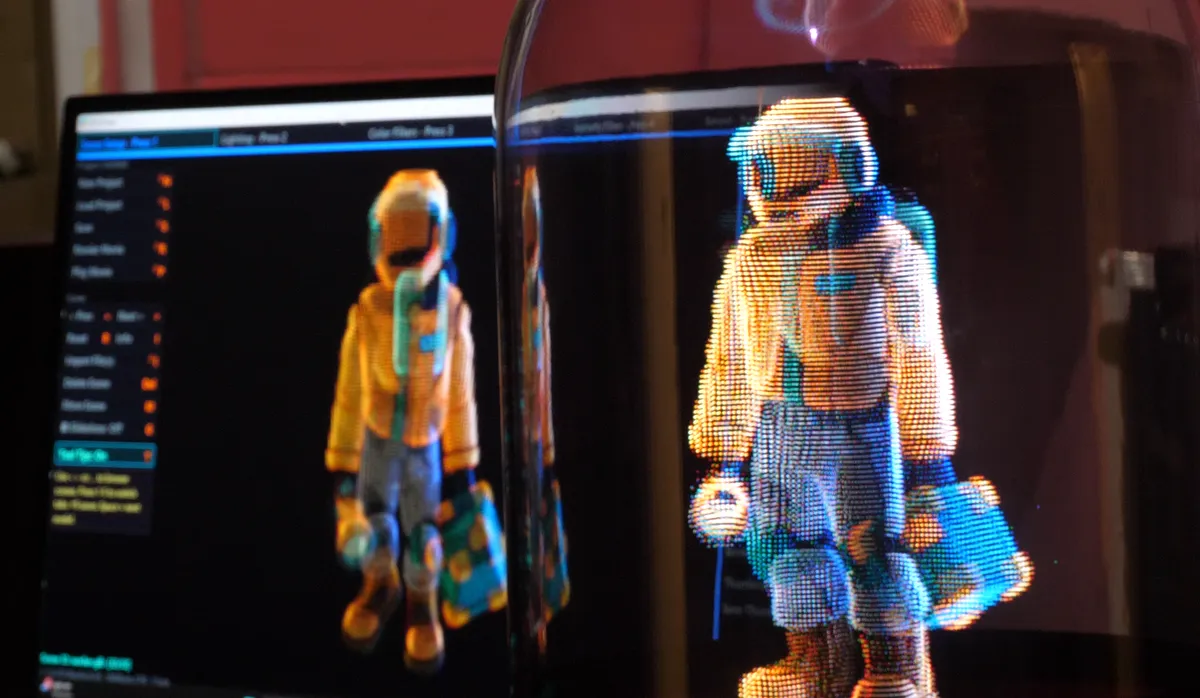
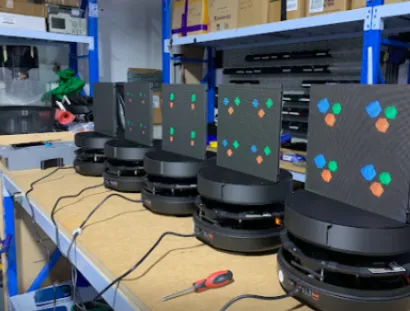
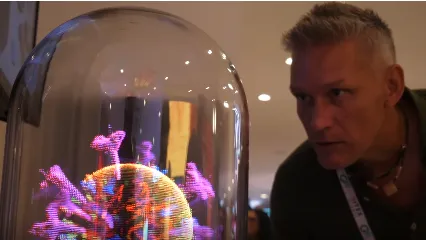
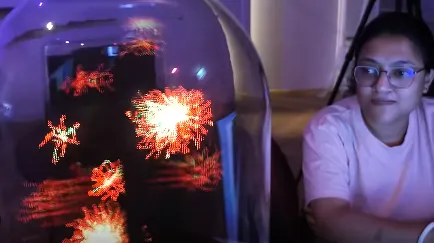
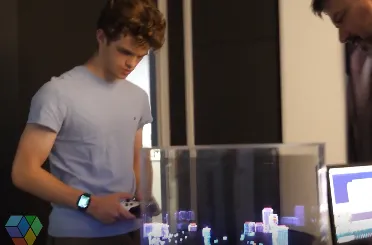
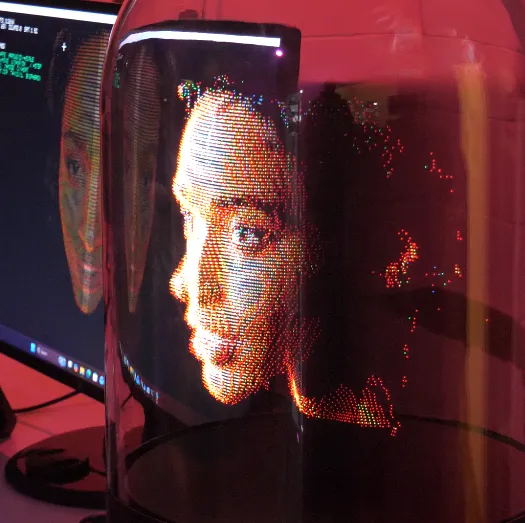
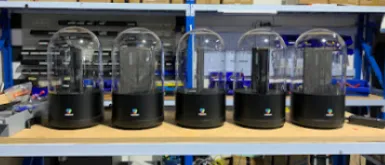
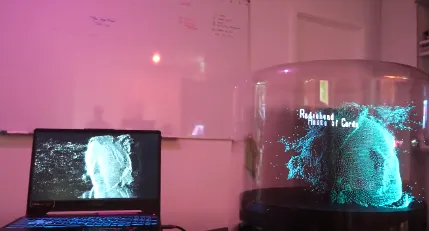
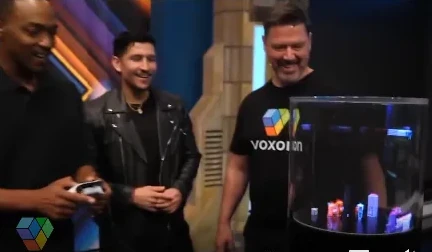
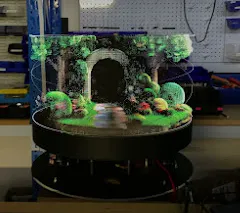
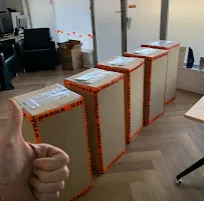
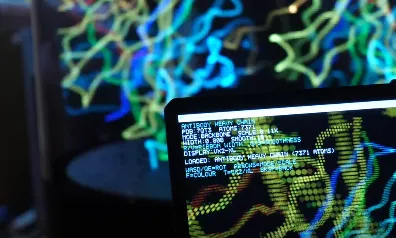
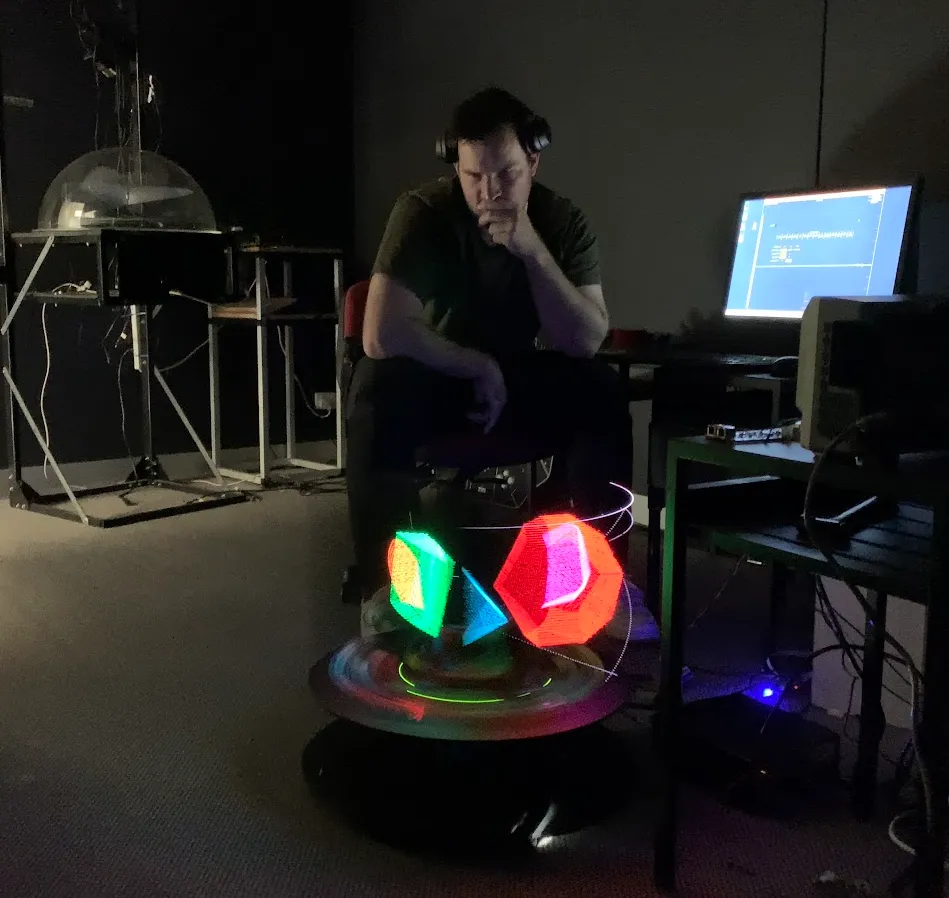
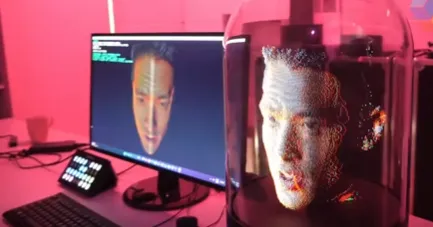
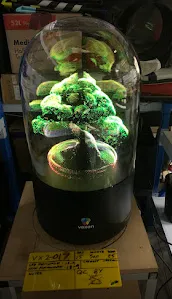
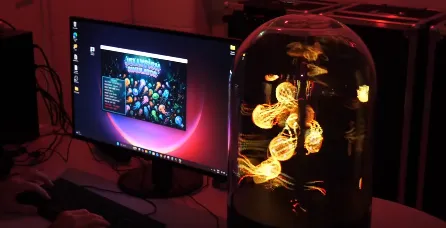
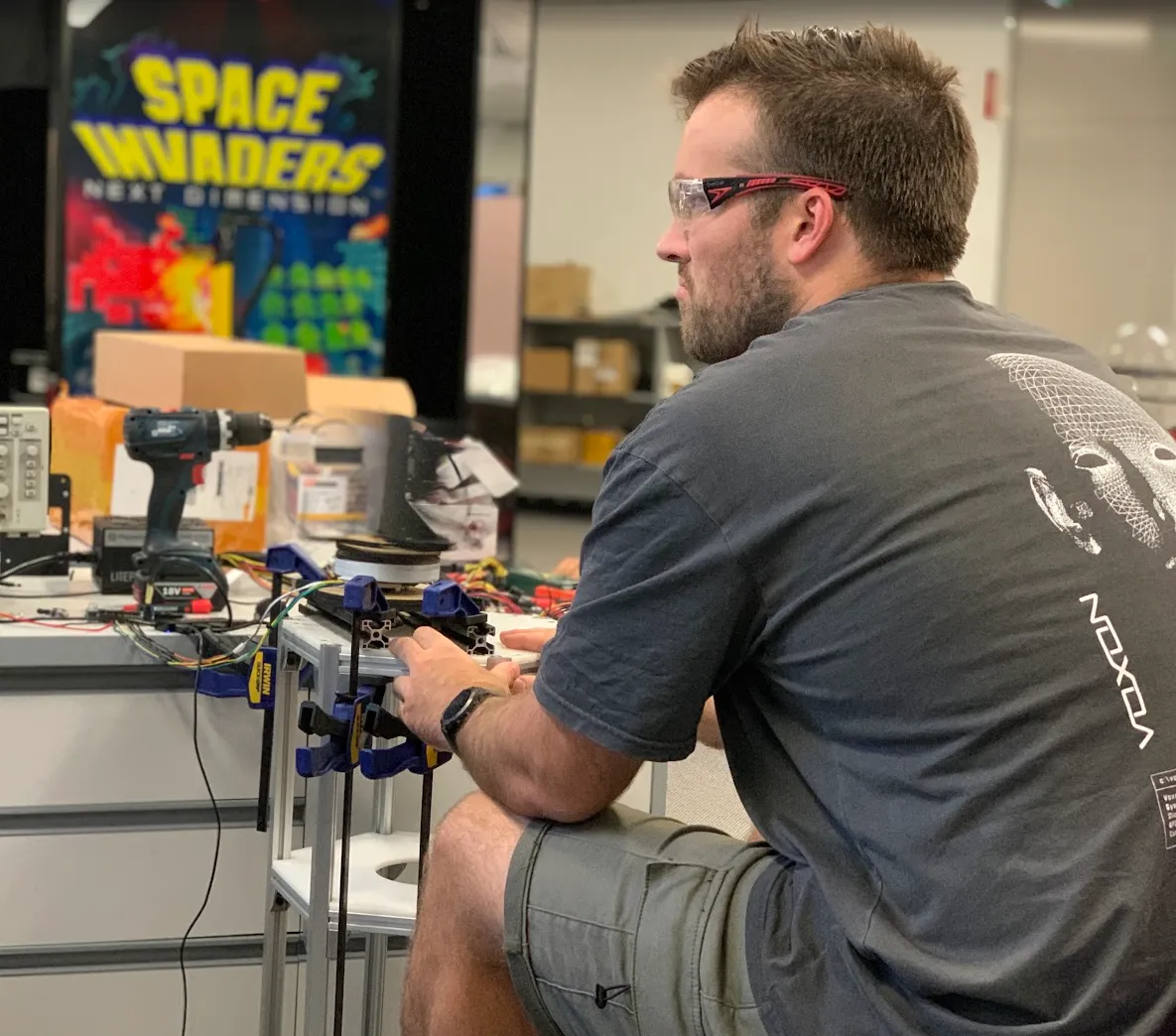
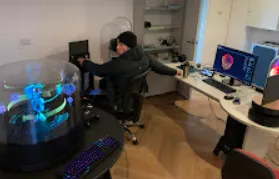
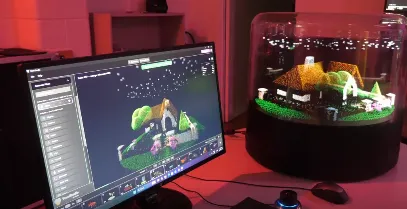
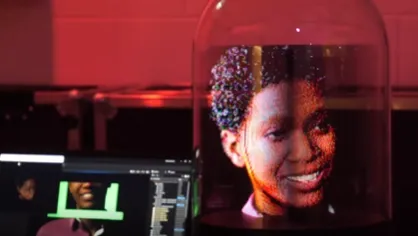
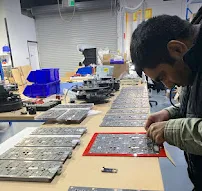
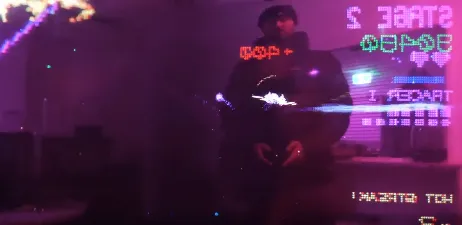
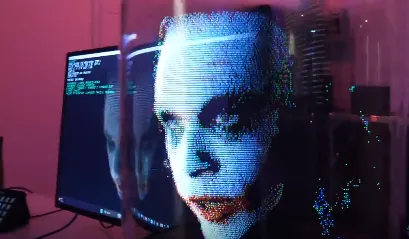

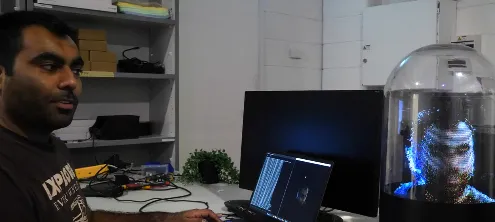
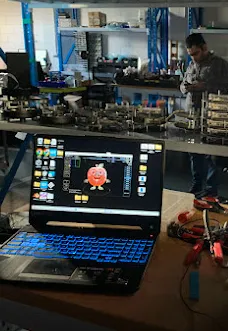
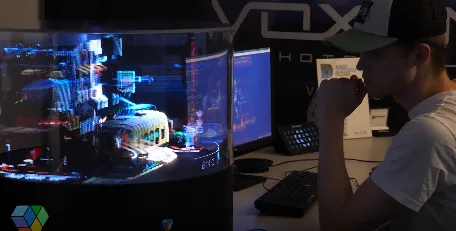
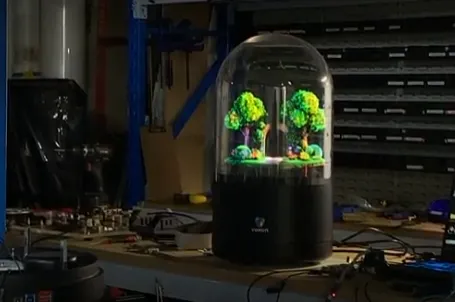
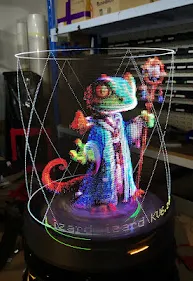
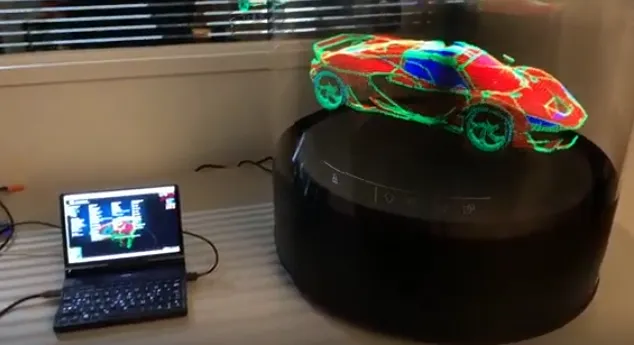

Voxon first entered the commercial market in 2017 with the VX1, a reciprocating DLP-based volumetric display technology that helped transition volumetric imaging out of research labs and into practical applications. In the years that followed, that early momentum expanded into a series of world-first demonstrations alongside global leaders such as Ericsson, Deutsche Telekom, BAE Systems, Nissan, Taito, e&, and Ooredoo, as well as prominent medical institutions. Together, these partnerships pushed the boundaries of spatial media - achieving the world's first 3D teleconference over 5G, enabling long-distance volumetric video calls between the UK and Australia, demonstrating medical DICOM visualization at RSNA Chicago, and pioneering applications for automotive displays, large-scale defense simulation systems, and public showcases across Europe, the Middle East, and Asia.
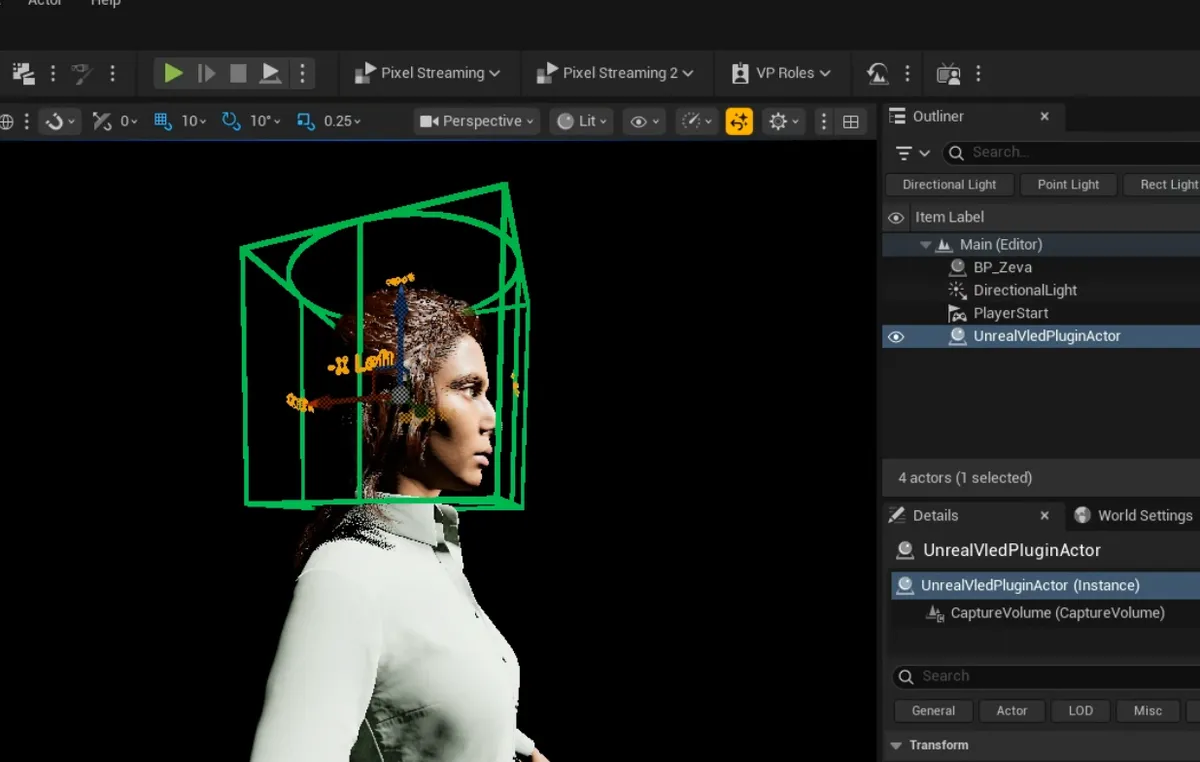
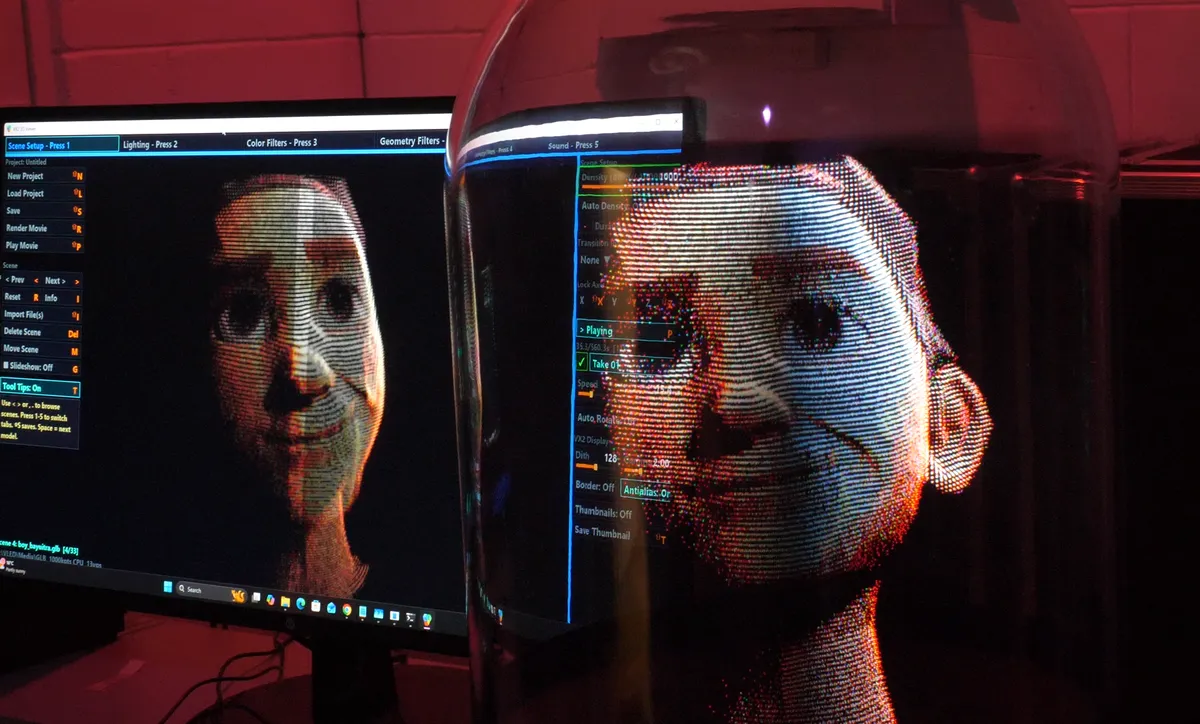
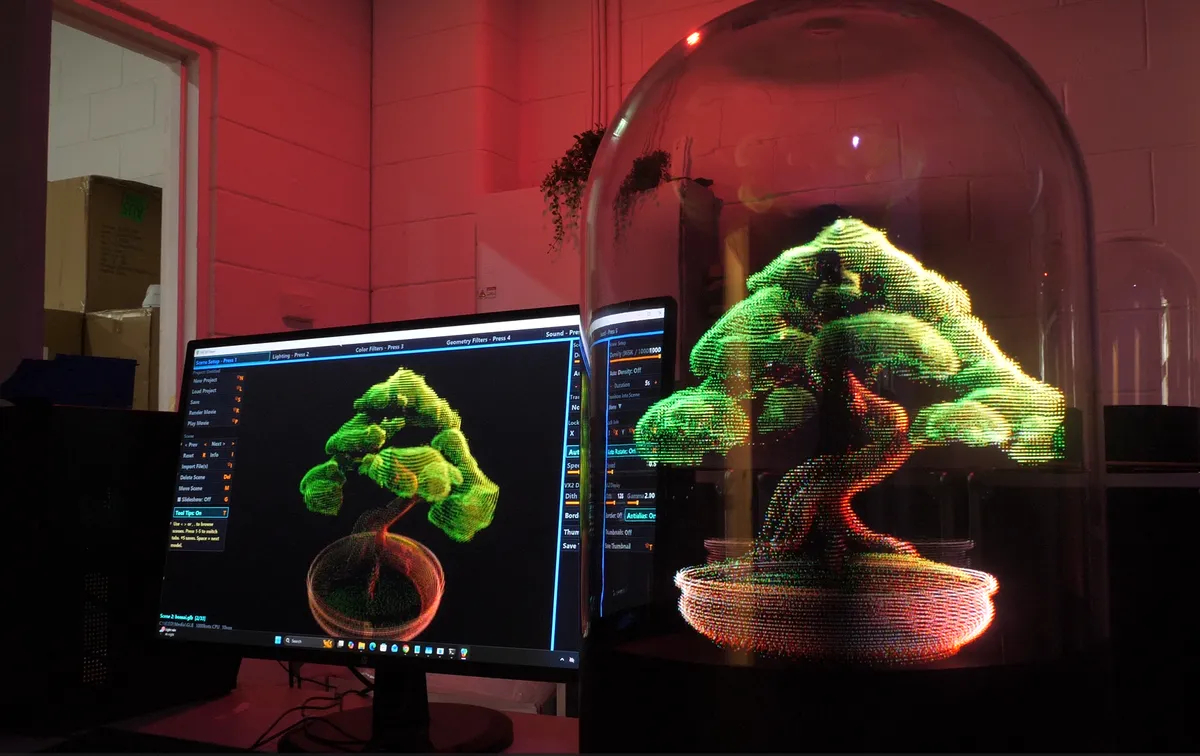
Today, primary development centers on the VLED architecture, a next-generation volumetric platform built around high-speed LED spatial light modulation. The VLED system converts voxels stored in computer memory into precisely positioned points of light in physical space through a comprehensive rendering pipeline that spans rasterisation, lighting, compression, timing, motor control, wireless power, data transmission, and coordinate transformation. To complement this hardware, Voxel has built a software ecosystem featuring support for Unity, Unreal Engine, Blender, and low-level APIs, allowing developers worldwide to seamlessly transition their existing 3D content into a true volumetric display with minimal friction. This foundation now serves a global client base spanning defense, medical imaging, industrial visualization, simulation, education, gaming, museums, digital art, and immersive entertainment.
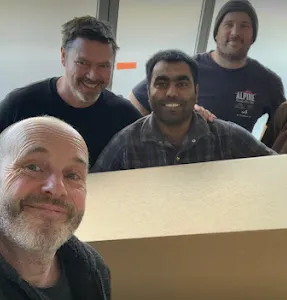
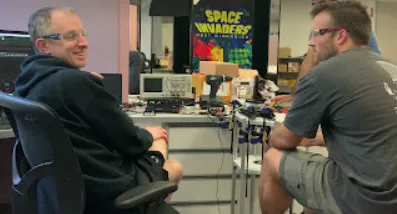
Underpinning these technological leaps is a multidisciplinary team whose expertise spans volumetric rendering, electronics, embedded systems, software engineering, manufacturing, and product design. The transition from Voxon to Voxel reflects this core focus. Just as a pixel defines a two-dimensional image, a voxel (volumetric picture element) is the fundamental building block of every three-dimensional image created. Ultimately, the new name highlights the ongoing mission: advancing the future of human-computer interaction through true volumetric computing, one voxel at a time.
Questions about our displays, custom projects, or the SDK? Talk to the team.